.webp)


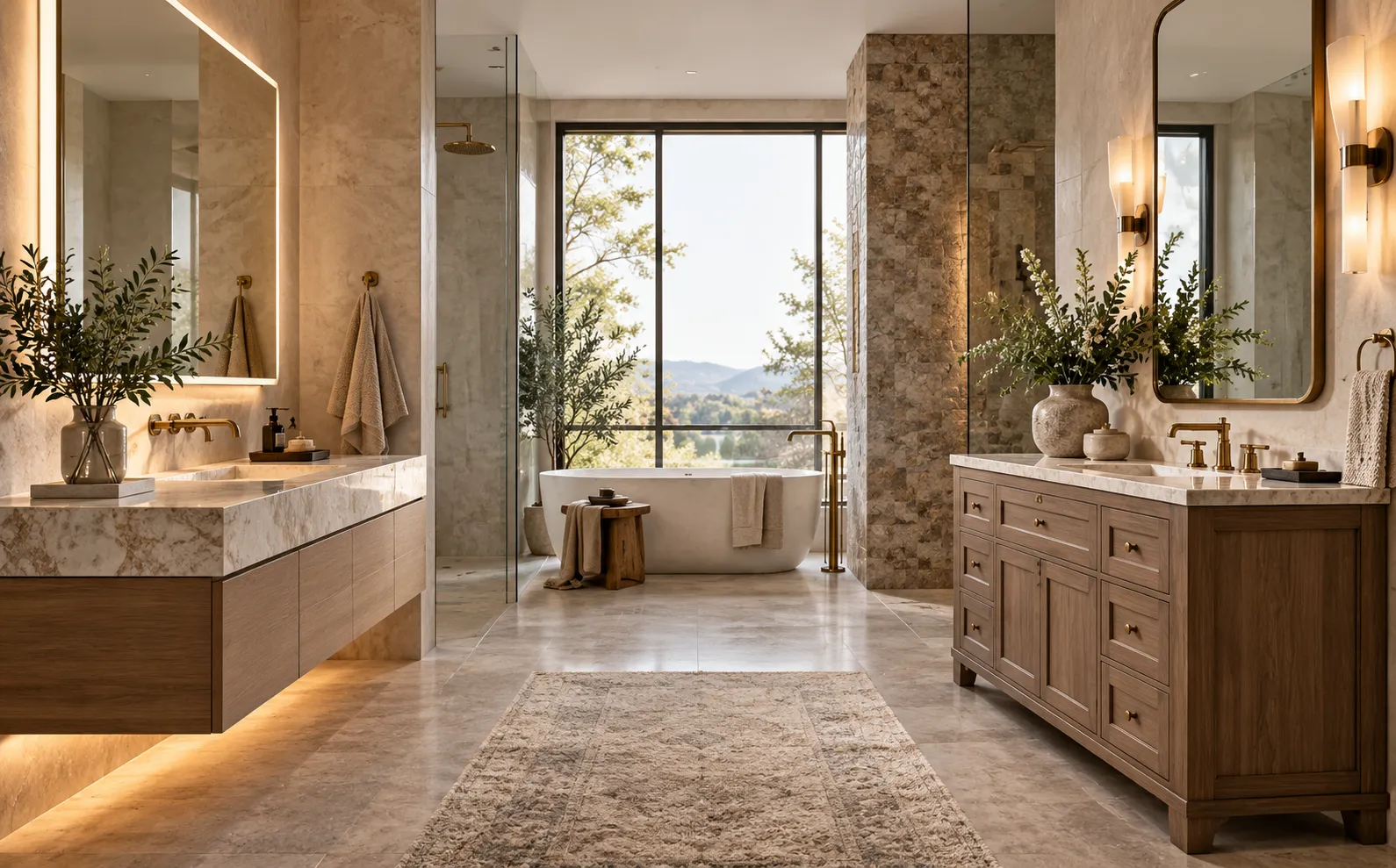
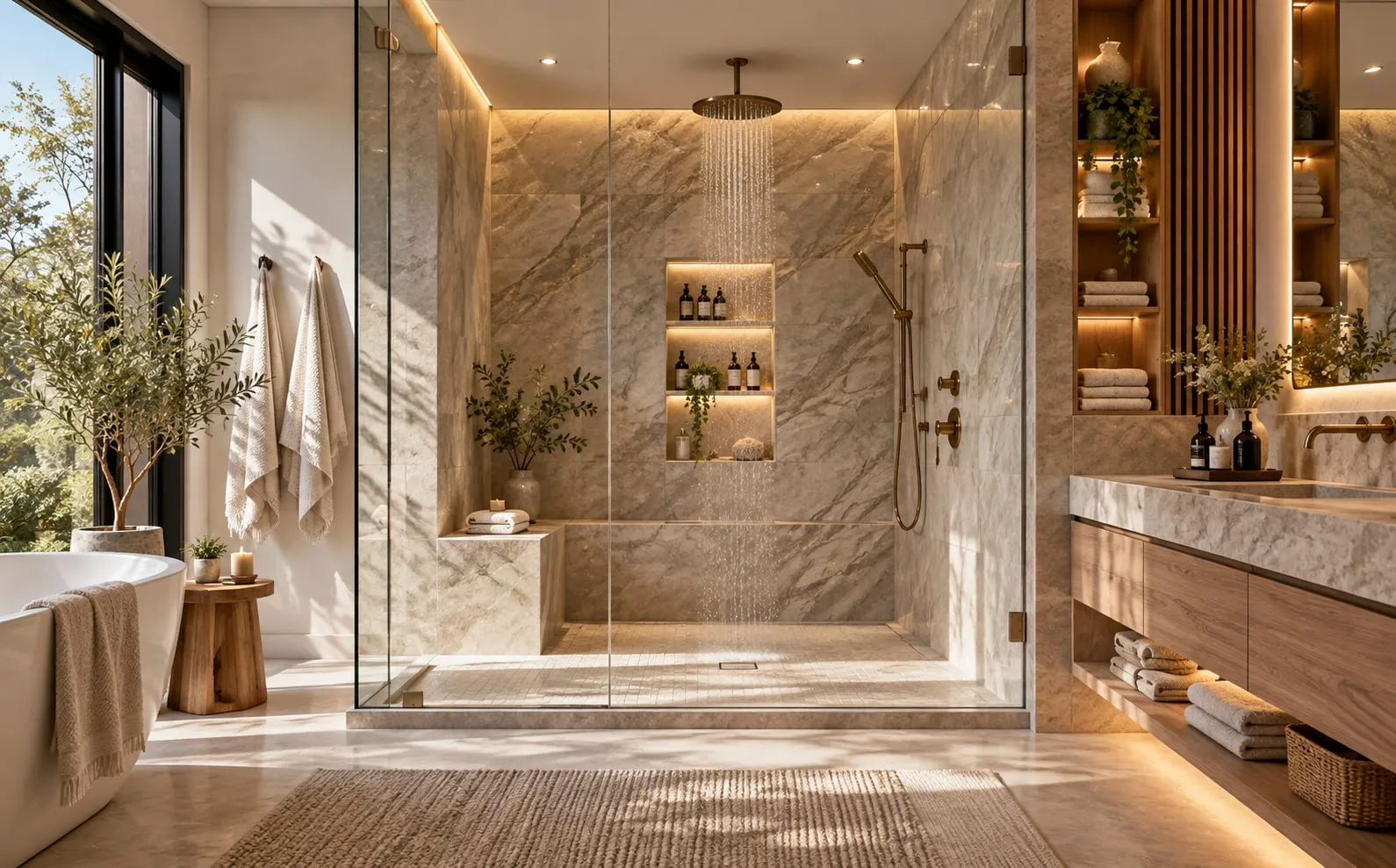
Discover the most common bathroom remodeling mistakes and learn how thoughtful design can create a functional, beautiful, and lasting bathroom.



A bathroom remodel is one of the most valuable improvements you can make to your home, but it is also one of the easiest places to make costly design mistakes. Many homeowners focus on selecting tile, fixtures, and colors without considering how the space will function years from now. The result is often a bathroom that looks beautiful at first but becomes frustrating to use over time.
The best bathroom designs balance appearance with functionality. Every decision, from layout and lighting to storage and material selection, affects your daily experience. By understanding the most common remodeling mistakes before construction begins, Long Island homeowners can create bathrooms that remain comfortable, practical, and timeless for years to come.
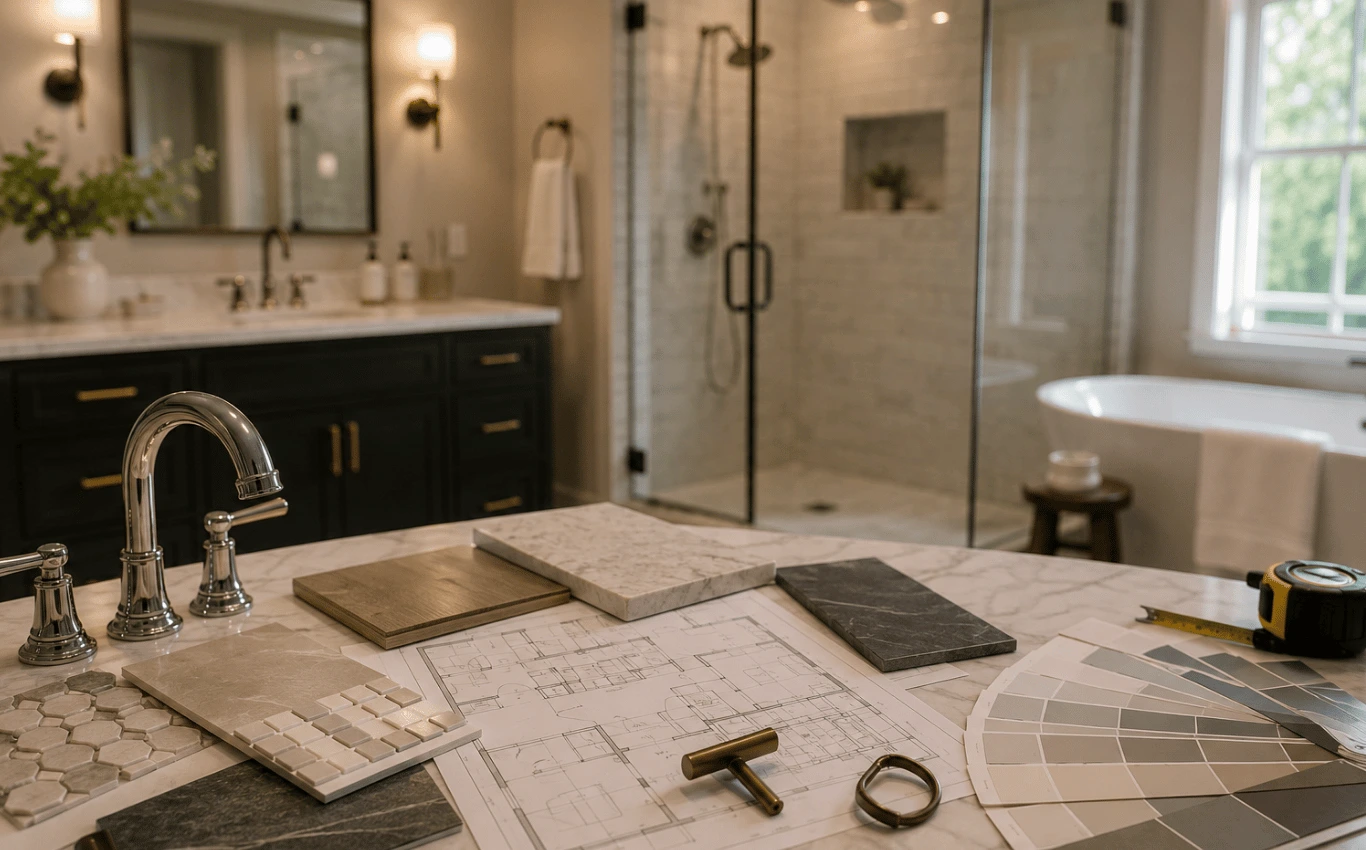
A beautiful bathroom should also be easy to live with. One of the biggest remodeling mistakes is making design decisions based only on appearance while overlooking how the space will be used every day.
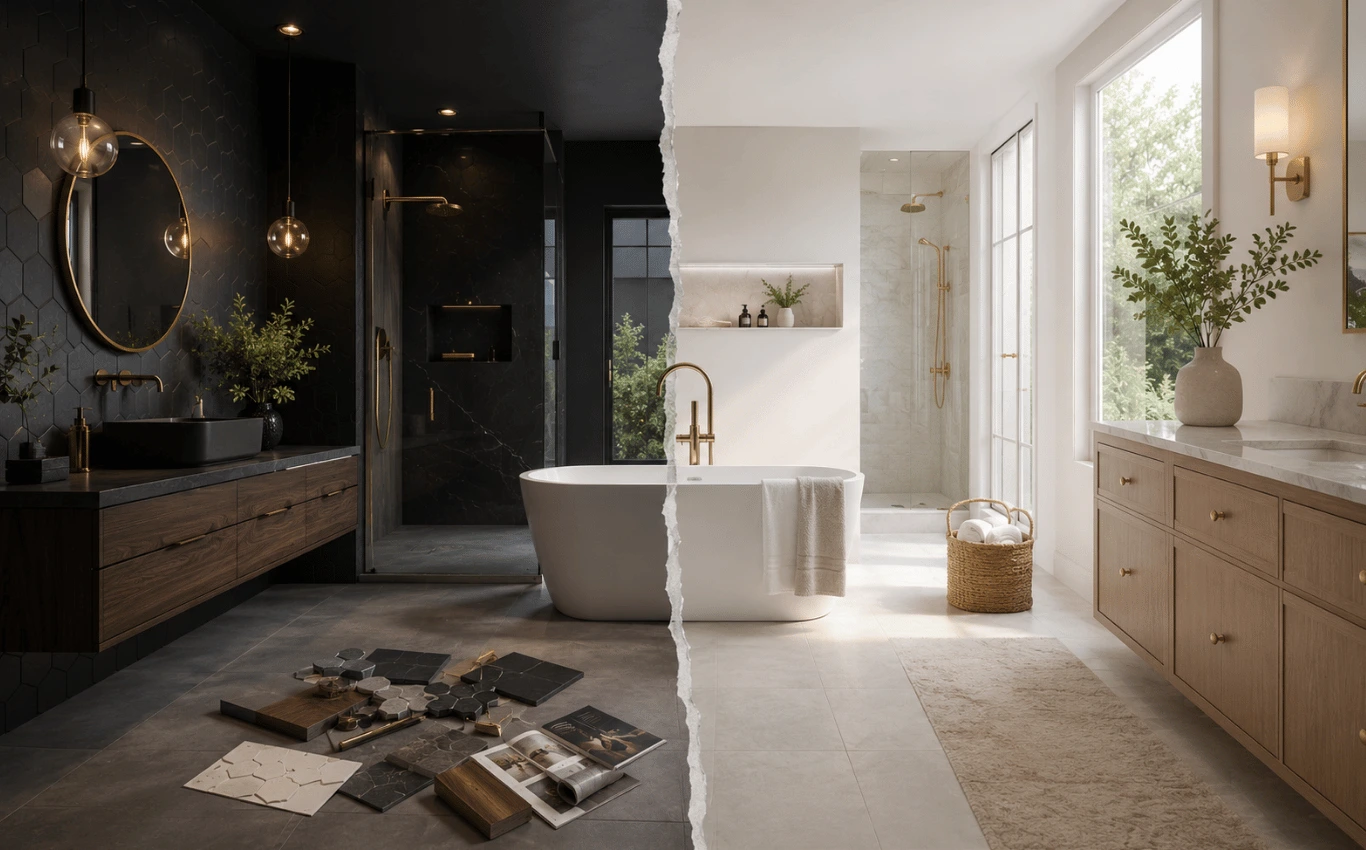
Design trends constantly evolve, but a bathroom remodel should remain attractive for many years. Extremely bold colors, highly decorative finishes, or trendy fixtures may lose their appeal faster than expected.
Instead, many Long Island homeowners are choosing timeless materials, balanced color palettes, and elegant finishes that continue to look current long after the remodel is complete.
Every homeowner uses their bathroom differently. Some prioritize relaxation, while others need a highly functional space for busy mornings. A remodel should reflect those routines rather than following a one-size-fits-all approach.
Bathrooms designed around daily habits tend to remain more satisfying long after the project is finished.
This idea connects naturally with " The Psychology of Relaxation: How Bathroom Design Affects Your Mind " where thoughtful design choices influence comfort, mood, and the overall experience of using the space.

Even expensive materials cannot compensate for a poor layout. A bathroom that feels cramped or awkward to move through often becomes frustrating regardless of how beautiful it looks.
The location of the shower, vanity, toilet, and bathtub directly affects how comfortable the bathroom feels. Poor spacing can limit movement and make everyday tasks unnecessarily difficult.
Planning these elements together helps create a bathroom that feels open and intuitive.
A bathroom should continue serving your lifestyle as your needs change. Features such as spacious showers, comfortable circulation, and practical storage often become more valuable over time than decorative upgrades.
Thinking ahead during the design process prevents expensive renovations later.
Large bathrooms benefit from thoughtful planning, but smaller bathrooms depend on it. Smart layouts maximize usable space while creating a stronger feeling of openness and comfort.

Material selection influences durability, maintenance, and long-term satisfaction just as much as appearance.
Some materials require constant cleaning or frequent maintenance to maintain their appearance. While they may look impressive initially, they can quickly become inconvenient for busy households.
Selecting durable, easy-to-maintain materials often provides better long-term value.
Bathrooms experience constant exposure to humidity and water. Choosing moisture-resistant materials helps prevent staining, discoloration, and unnecessary wear while preserving the beauty of the space.
This is especially important for Long Island homes, where seasonal humidity can affect interior finishes over time.
Material choices should reflect how the bathroom is actually used rather than simply following current trends. This idea is explored further in "How to Choose Bathroom Materials That Match Your Lifestyle," where selecting the right finishes improves both comfort and long-term performance.

Storage and lighting are often treated as finishing touches, but they play a major role in how functional a bathroom feels every day.
Without adequate storage, even a luxury bathroom can quickly feel crowded. Custom vanities, recessed niches, and well-planned cabinetry help keep essentials organized while maintaining clean surfaces.
Good storage makes the entire room feel calmer and easier to maintain.
Lighting affects visibility, mood, and the overall atmosphere of the bathroom. Layered lighting that combines ambient, task, and accent illumination creates a space that works equally well during busy mornings and relaxing evenings.
Natural light should also be maximized whenever possible to create a brighter, more inviting environment.
Features such as mirror placement, hardware finishes, shower niches, and integrated storage often determine whether a bathroom feels custom or ordinary. These details may seem minor individually, but together they shape the overall experience.

Choosing the lowest-cost option may reduce the initial budget, but it can lead to higher maintenance costs and earlier renovations.
Investing in durable materials, quality fixtures, and professional planning often results in fewer repairs and greater satisfaction over the life of the bathroom.
Homeowners frequently discover that spending slightly more during the remodel saves significant money in the future.
While bathroom remodeling can increase property value, the greatest return often comes from improving your own daily quality of life. A bathroom you enjoy every day is one of the best long-term investments you can make.
Successful remodeling is not about avoiding every trend. It is about creating a bathroom that continues to feel comfortable, functional, and visually appealing long after construction is complete.
The most common bathroom remodeling regrets rarely come from choosing the wrong tile color or faucet style. They come from overlooking the decisions that affect daily comfort, including layout, storage, lighting, and material selection.
By planning around your lifestyle instead of short-term trends, you can create a bathroom that feels just as enjoyable years from now as it does on the day it is completed.

Avoid the most common bathroom remodeling mistakes by making smarter design decisions from the start. Learn how thoughtful planning, quality materials, and functional layouts create a bathroom you'll enjoy for years to come.


Design insights, inspiration, and expert advice for extraordinary kitchens and baths.