.webp)


Discover how kitchen layout, airflow, ventilation, and materials affect summer comfort and why some kitchens stay cooler than others.



Some kitchens stay surprisingly comfortable during the summer, while others quickly become hot, heavy, and difficult to spend time in. The difference isn’t always the weather or the size of the space. More often, it comes down to design. The way a kitchen is planned directly affects airflow, heat retention, lighting, and overall comfort.
A poorly designed kitchen can trap heat, limit ventilation, and make everyday cooking feel exhausting during warmer months. On the other hand, a well-designed space allows air to move naturally, balances heat sources, and creates a lighter, more breathable environment. In this article, we’ll explore why some kitchens stay cooler in summer, and how thoughtful design decisions can dramatically improve comfort and usability.
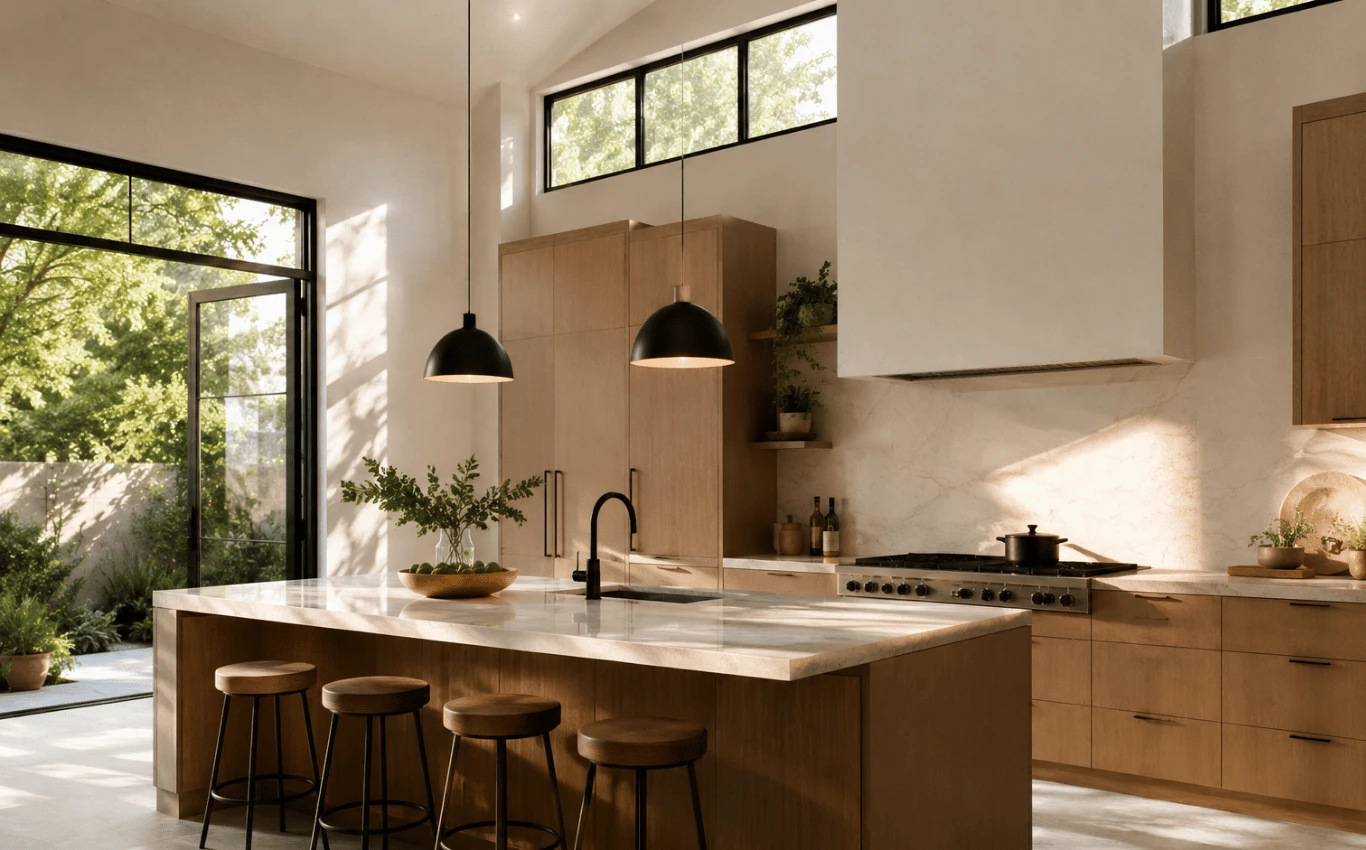
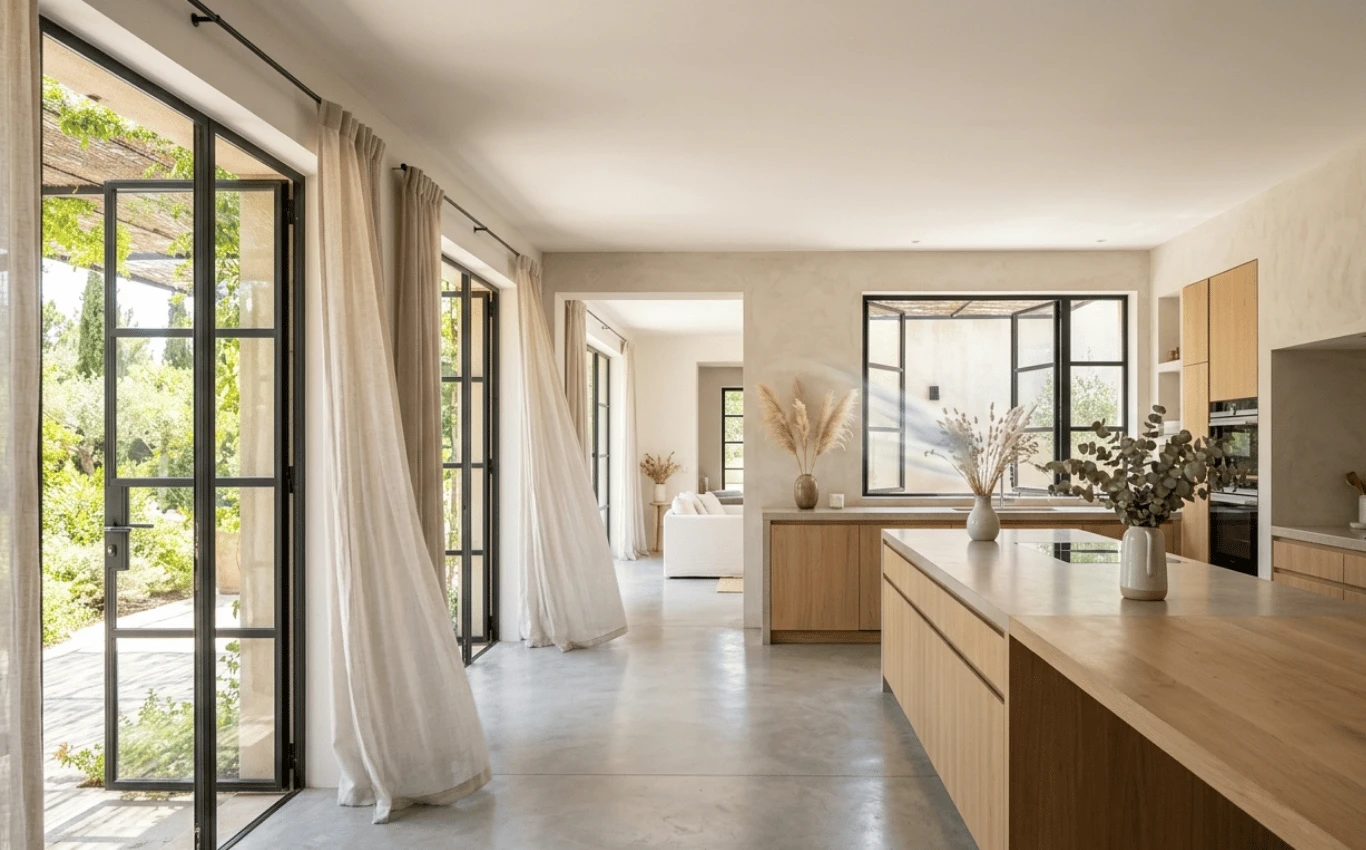
Most homeowners focus on cabinets, countertops, and appliances, but airflow plays a major role in how comfortable a kitchen feels.
The arrangement of walls, islands, cabinets, and walkways can either support or block airflow. In tighter layouts, heat tends to collect and linger, especially around cooking zones.
A better layout:
Even small changes in spacing can improve how the kitchen feels during hot weather.
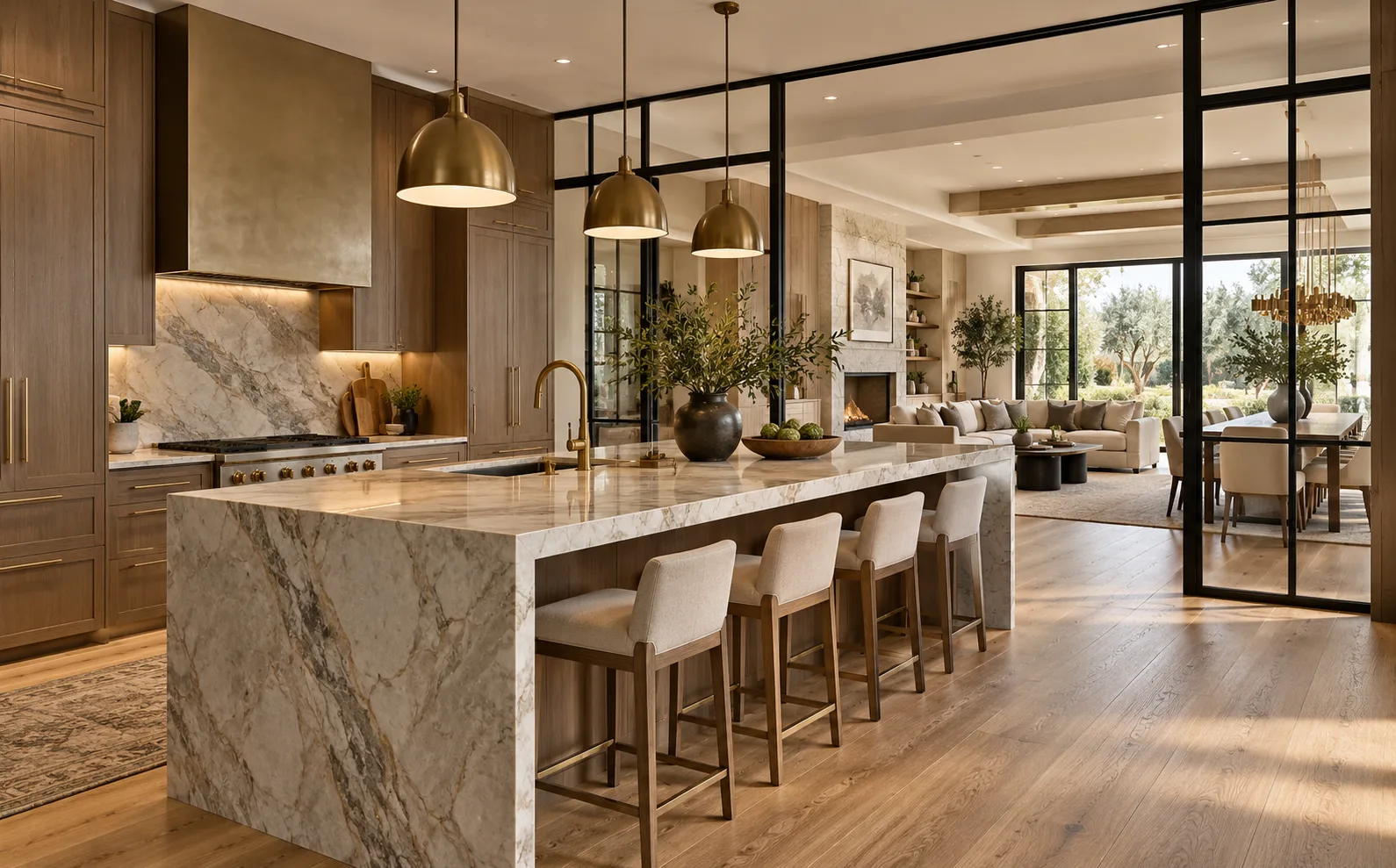
Open-concept kitchens usually allow heat to disperse more naturally. Instead of trapping warm air, they create a smoother connection between spaces.
This doesn’t mean every kitchen needs to be fully open, but thoughtful transitions between rooms can help the entire space feel lighter and more breathable.
This connects with ideas explored in “Open Concept vs Closed Kitchens: Which Design is Right for You?”, where layout decisions directly shape comfort and daily experience.
Natural ventilation matters more than many people realize. Windows positioned across from one another can create cross-ventilation, helping warm air move out more efficiently.
Well-placed windows can:
Without ventilation, even beautiful kitchens can feel heavy in summer.
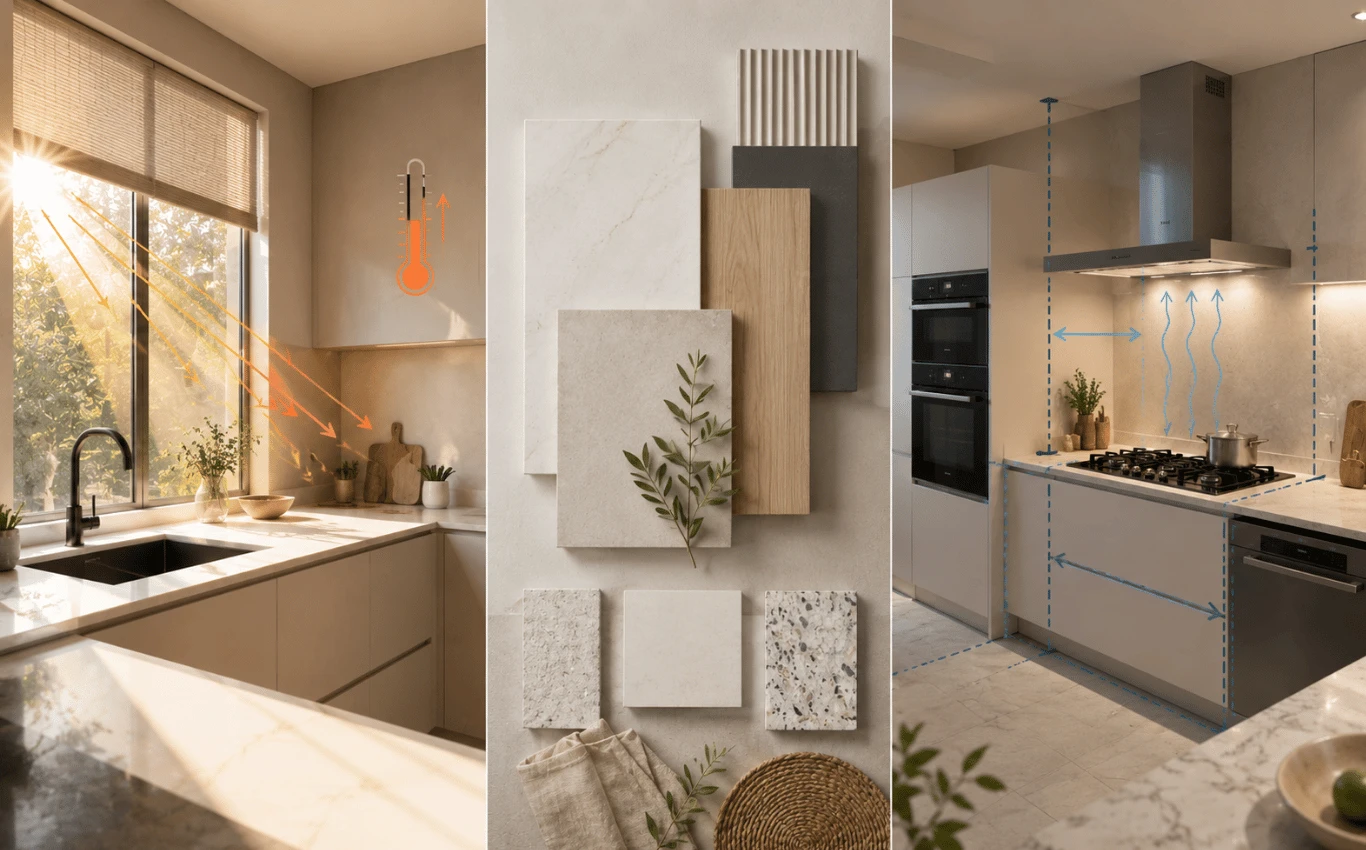
Cooking appliances generate heat, but they’re not the only reason kitchens become uncomfortable during warmer months.
Large windows and direct sunlight can dramatically raise the temperature of a kitchen, especially during the afternoon.
To reduce excess heat:
The goal isn’t to block natural light completely, but to control how heat enters the space.
Some materials naturally feel cooler and lighter, while others absorb and hold heat more easily.
Cooler-feeling materials often include:
Darker glossy materials may create a dramatic appearance but can sometimes make the kitchen feel visually heavier and warmer.
Appliance placement can influence how heat spreads through the room. Ovens, cooktops, and dishwashers placed too closely together can create concentrated heat zones.
Thoughtful spacing:
A well-planned kitchen supports both efficiency and comfort.
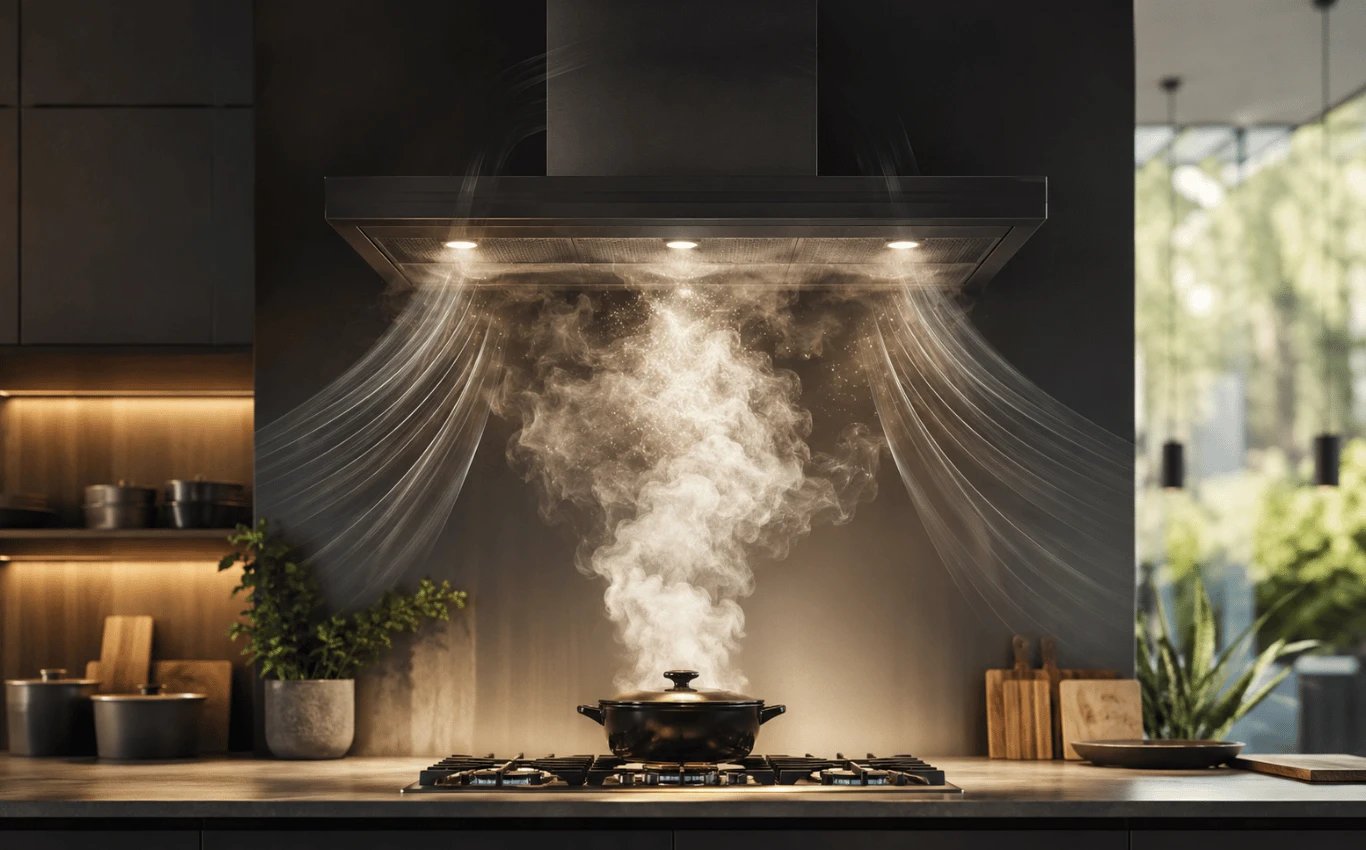
Good ventilation doesn’t just remove smoke and odors, it changes how the kitchen feels physically.
A properly designed ventilation hood removes:
Without effective ventilation, warm air stays trapped in the kitchen long after cooking is finished.
Some kitchens use visible statement hoods as design features, while others integrate ventilation more subtly.
The best choice depends on:
The key is not visibility, but performance.
When airflow is handled correctly:
This idea connects with “Designing Kitchens That Stay Clean Longer (Without Trying Hard)”, where thoughtful design reduces daily frustration and improves long-term comfort.
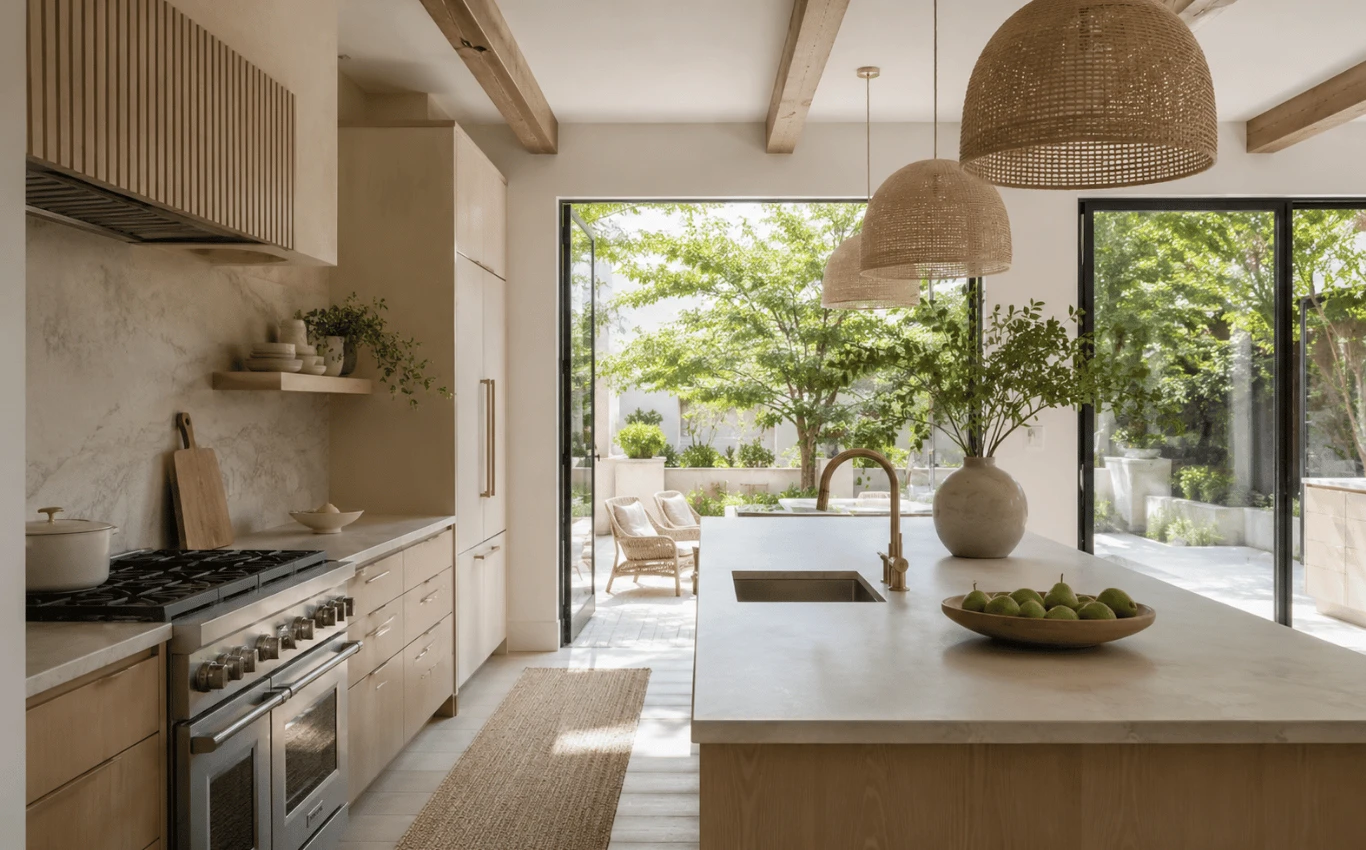
A cooler kitchen isn’t created by one feature alone. It’s the result of balance between layout, ventilation, materials, and lighting.
Heavy cabinetry, dark finishes, and overcrowded layouts can make a kitchen feel warmer psychologically, even when the actual temperature hasn’t changed.
Lighter kitchens often feel:
This is why simplicity often creates a stronger feeling of comfort.
In warmer months, kitchens become gathering spaces. People move in and out constantly, windows stay open longer, and cooking patterns change.
A summer-friendly kitchen should:
Designing for seasonal comfort makes the kitchen more enjoyable year-round.
Many people think kitchen comfort comes only from aesthetics, but physical comfort matters just as much. A beautiful kitchen that feels hot and stuffy will never feel truly relaxing.
The best kitchens support:
When these elements work together, the space feels naturally comfortable.
Some kitchens stay cooler in summer not because they’re larger or more expensive, but because they’re designed with airflow, balance, and comfort in mind. Layout, materials, ventilation, and lighting all influence how the space feels during warmer months.
When these details are handled thoughtfully, the kitchen becomes easier to use, more comfortable to gather in, and more enjoyable throughout the entire season. Good kitchen design doesn’t just improve appearance, it improves how the space feels every single day.

Some kitchens stay cool and comfortable in summer, while others trap heat and feel heavy. Learn how layout, airflow, ventilation, and materials affect kitchen comfort and temperature.


Design insights, inspiration, and expert advice for extraordinary kitchens and baths.